
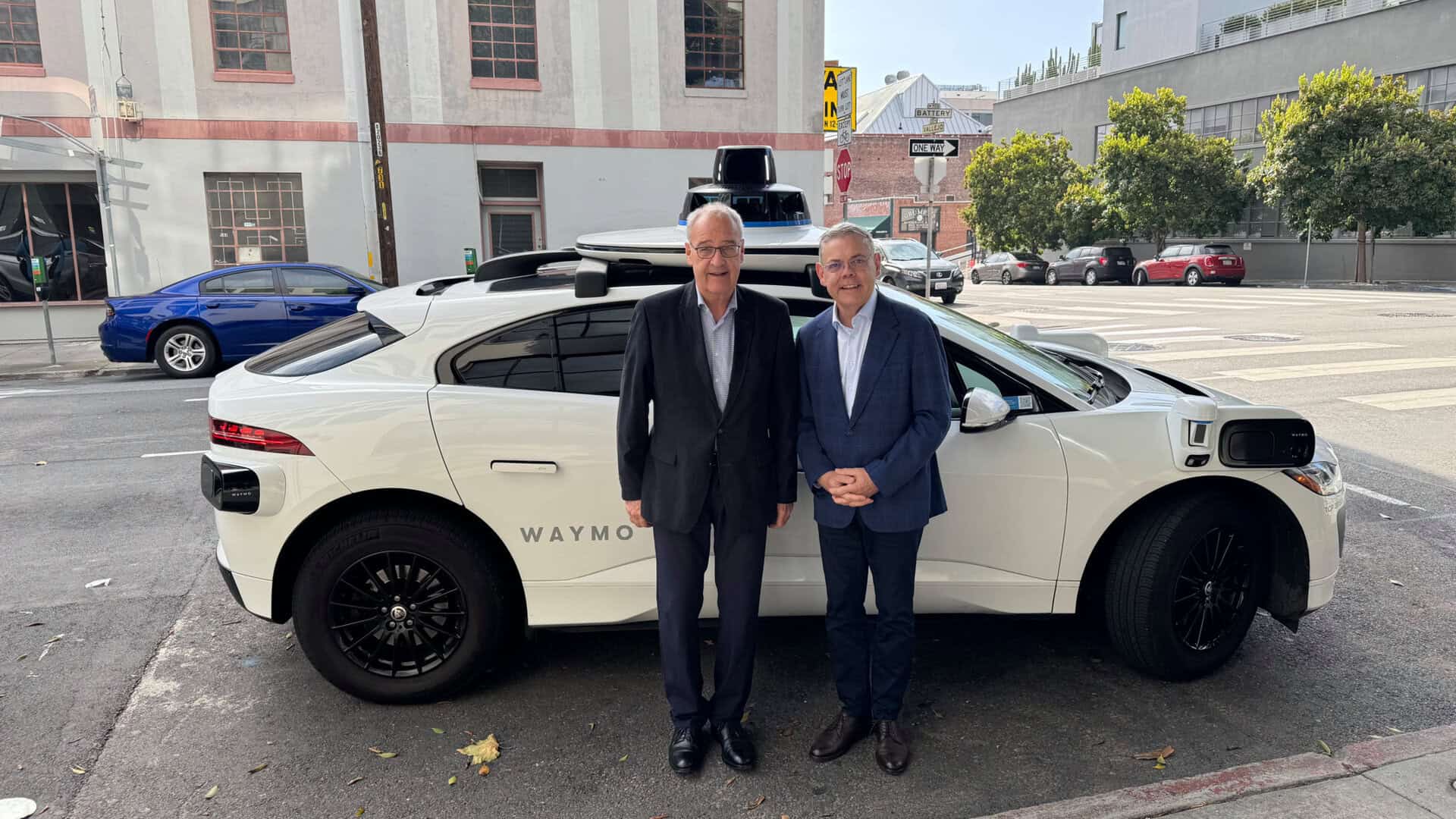
Am 2. August 2026 berichtete die „SonntagsZeitung“ über eine Fahrt mit einem Roboter-Taxi, die Bundespräsident Guy Parmelin während einer Reise nach Nordamerika unternommen hatte, sowie über die Bemühungen von Nationalrat Franz Grüter, den Betreiber Waymo in die Schweiz zu holen. Der Artikel zitiert zudem das Bundesamt für Strassen (ASTRA), das angibt, bislang keine Informationen vom Unternehmen über dessen Pläne erhalten zu haben.
Der Bericht wirft eine Frage auf, die er nicht beantwortet. Was wäre erforderlich, damit ein fahrerloser kommerzieller Dienst in der Schweiz betrieben werden könnte? Im Folgenden wird der aktuelle Stand der rechtlichen Rahmenbedingungen dargelegt.
Ein geltender Rahmen, der noch nicht genutzt wird
Die Verordnung über das automatisierte Fahren (VAF) ist seit dem 1. März 2025 in Kraft. Sie stützt sich auf die Artikel 25a bis 25g des Strassenverkehrsgesetzes, die dem Bundesrat die Befugnis einräumen, bestimmte Anwendungsfälle auf den Automatisierungsstufen 3 und 4 zu genehmigen.
Die Verordnung regelt drei Fälle:
- Auf Autobahnen darf der Fahrer eines zugelassenen Fahrzeugs die Hände vom Lenkrad nehmen und ist nicht mehr verpflichtet, den Verkehr ständig im Auge zu behalten, muss jedoch in der Lage sein, die Kontrolle zu übernehmen, wenn das System ihn dazu auffordert.
- Autonome Fahrzeuge dürfen innerhalb der von den Kantonen genehmigten Betriebsgebiete unter der Aufsicht eines Bedieners verkehren.
- Das automatisierte Parken ist ohne Anwesenheit eines Fahrers in Parkhäusern zulässig, die für diesen Zweck ausgewiesen und entsprechend beschildert sind.
Ein kommerzieller Robotaxi-Dienst fällt unter den zweiten Fall. Bislang wurde noch kein Einsatzgebiet im Rahmen des VAF genehmigt.
Jedes derzeit in der Schweiz laufende Projekt im Bereich der automatisierten Mobilität wird daher im Rahmen von Pilotprojekten durchgeführt.
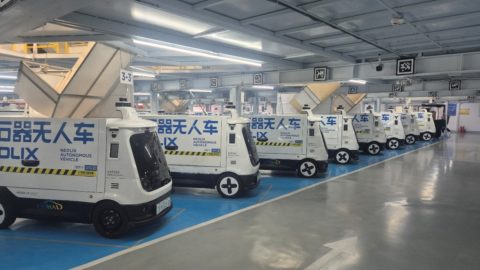
Dazu gehören auch die fortschrittlichsten Modelle. In der Schweiz sind bereits Fahrdienste im Einsatz, bei denen niemand am Steuer sitzt, insbesondere die Lieferdienste von „ LOXO “ und „Planzer“ in Bern sowie der Shuttle-Dienst auf dem Flughafengelände des Flughafens Zürich. Einzelheiten zu den Betriebsbedingungen und Genehmigungen liegen in der Verantwortung der Projektträger.
Wer genehmigt dies und auf welcher Grundlage?
Es sind zwei separate Zulassungen erforderlich. Das Automatisierungssystem des Fahrzeugs benötigt eine Typgenehmigung. Darüber hinaus muss der Einsatzbereich genehmigt werden. Die Typgenehmigung umfasst den Automatisierungsstack und die Fahrzeughardware sowie den „Operational Design Domain“ (ODD), d. h. die Fähigkeiten des Fahrzeugs in einer bestimmten Umgebung.
Die Zuständigkeit liegt bei dem Kanton, in dem das Fahrzeug zugelassen werden soll. Dieser Kanton muss den Zielbetriebsbereich (TOD) festlegen und das autonome Fahrzeug (AV) im Rahmen dieses Bereichs bewerten. Der Kanton prüft und koordiniert den Antrag, bestimmt die zuständige Behörde und Abteilung und erlässt den Entscheid. Erstreckt sich der Betriebsbereich auf nationale Strassen wie Autobahnen, muss das ASTRA zustimmen. Erstreckt er sich in einen anderen Kanton, muss dieser Kanton zustimmen. Alle betroffenen Gemeinden werden angehört, ebenso wie das Bundesamt für Verkehr, wenn der Betrieb im Zusammenhang mit öffentlichen Personenverkehrsdiensten steht.
Die ASTRA hat am 19. Dezember 2025 Richtlinien zu diesem Verfahren erlassen, die seit dem 1. Januar 2026 in Kraft sind („Weisungen führerlose Fahrzeuge“, WFF). Diese beschreiben das Verfahren und enthalten ein Bewertungsinstrument, mit dem der Prüfungsaufwand in Grenzen gehalten werden soll.
Die Richtlinien sind rechtlich nicht bindend. Die kantonalen Behörden entscheiden, ob und in welchem Umfang sie angewendet werden, wobei das kantonale Verfahrens- und Organisationsrecht massgeblich ist. In den Richtlinien selbst wird darauf hingewiesen, dass die Beurteilung der örtlichen Gegebenheiten einen erheblichen Ermessensspielraum lässt und dass sich daraus erhebliche Unterschiede zwischen den Kantonen ergeben können. Zu den Ablehnungsgründen auf dieser Grundlage können unerwünschter zusätzlicher Verkehr, eine unverhältnismässige Belastung der Halte- und Parkinfrastruktur oder ein Betriebsgebiet gehören, das im Widerspruch zu den verkehrsplanerischen Zielen eines Kantons steht.
Hier unterscheidet sich das Schweizer Modell am deutlichsten von dem im Artikel beschriebenen amerikanischen Modell. Die Genehmigung gilt für ein definiertes Betriebsgebiet und einen beaufsichtigten Betrieb, nicht für ein offenes Versorgungsgebiet. Ein Dienst, der eine Stadt abdeckt, würde eine Genehmigung für das Gebiet erfordern, in dem er tätig ist, sowie die Zustimmung des Kantons und aller anderen Behörden, deren Gebiet oder Strassen davon betroffen sind.
Die Frist endet am 1. März 2028
Die Verordnung enthält eine Übergangsbestimmung. Während drei Jahren nach Inkrafttreten haben Antragsteller keinen Anspruch darauf, dass ein Antrag auf ein Betriebsgebiet geprüft wird (Artikel 51 VAF). Die Kantone können einen solchen Anspruch nach kantonalem Recht bereits früher gewähren, sind dazu jedoch nicht verpflichtet.
Ab dem 1. März 2028 müssen alle Kantone ihre Zuständigkeiten geregelt, ihre Bewilligungsbehörden benannt und alle eingegangenen Anträge prüfen haben.
Bis dahin wird in den Richtlinien empfohlen, dass Antragsteller im Vorfeld klären, ob die zuständige Behörde überhaupt bereit und in der Lage ist, einen Antrag zu bearbeiten.
Das umfassendere Projektportfolio
Seit 2015 sind auf Schweizer Gebiet mehr als 40 autonome Fahrzeuge im Einsatz. „ SAAM “ bietet einen Überblick über alle Projekte in der Schweiz, wobei derzeit 16 Projekte laufen oder geplant sind und 16 bereits abgeschlossen wurden.
Im Personenverkehr gehören zu den laufenden Projekten das vom Kanton Zürich initiierte Pilotprojekt „Furttal Automated Mobility“, der „Self-Controlled City Liner“ in Arbon und „ULTIMO“ in Genf. PostAuto testet derzeit „AmiGo“, einen bedarfsgesteuerten, automatisierten Mitfahrdienst in der Ostschweiz, dessen erste öffentliche Inbetriebnahme für Anfang 2027 geplant ist.
Im Bereich Fracht und Logistik betreibt Embotech neben dem „ LOXO “ und dem Planzer-Mikro-Hub mehrere automatisierte Fahrzeugumschlagsanlagen, und in einem Steinbruch im Kanton Aargau kommen fahrerlose Kippwagen zum Einsatz.
Das vollständige Portfolio mit Angaben zum Status und zum Initiator jedes einzelnen Projekts ist unter saam.swiss/projects abrufbar.
Etwa 100 Fahrzeuge
Die im Artikel genannte Zahl stammt aus der Roadmap 2026–2040 des Verbands „ SAAM “, die im Mai 2026 auf dem Automated Mobility Summit veröffentlicht wurde. Es handelt sich dabei nicht um eine Prognose der Marktnachfrage. Die Roadmap legt die Entwicklungsschritte dar, die der Verband für notwendig erachtet, damit sich die automatisierte Mobilität in der Schweiz etablieren kann.
Für die Aufbauphase, die bis 2030 dauert, sieht der Fahrplan im Personenverkehr rund 50 Robotaxis, 20 On-Demand-Busse und 10 Linienbusse vor, wobei die Wirtschaftlichkeit durch Pilotprojekte bestätigt werden soll, sowie mindestens 15 Fahrzeuge, die die Wirtschaftlichkeit im Güterverkehr belegen sollen. Im Individualverkehr werden die ersten automatisierten Fahrzeuge mit Typengenehmigung auf Schweizer Autobahnen erwartet.
Das entspricht etwa 95 Fahrzeugen. Diese Zahl umfasst alle Fahrzeuge des gesamten Projektportfolios, einschliesslich der inzwischen abgeschlossenen Projekte. Es handelt sich nicht um die Anzahl der Fahrzeuge, die zu einem bestimmten Zeitpunkt gleichzeitig im Einsatz waren.
In den nachfolgenden Phasen sind deutlich höhere Stückzahlen vorgesehen: rund 3.000 Personenkraftwagen bis 2035 und rund 23.000 bis 2040. Die Zahl für die Gründungsphase ist ein Richtwert für einen Zeitraum, in dem es um die Validierung geht und nicht um den kommerziellen Massstab.
Was offen bleibt, ist nicht in erster Linie das Gesetz
ASTRA erklärt, dass rechtliche Anpassungen, wenn überhaupt, nur punktuell erforderlich wären. Der Rechtsrahmen ist vorhanden, die Durchführungsrichtlinien liegen vor, und es steht ein Bewertungsinstrument zur Verfügung.
Was bisher noch nicht geschehen ist, ist die praktische Anwendung. Es gibt noch keine typgenehmigten Fahrzeuge, und noch kein Kanton hat einen TOD festgelegt. Die ersten Fälle werden zeigen, wie die Kriterien in der Praxis angewendet werden, wie lange das Verfahren dauert und inwieweit die kantonalen Bewertungen voneinander abweichen.
Ab dem 1. März 2028 müssen die Kantone in der Lage sein, Anträge zu prüfen. Dies ist eine neue und fachliche Kompetenz für 26 Verwaltungen, und der in der Verordnung vorgesehene eigene Unterstützungsmechanismus – eine Beratungsgruppe des Bundes, die sich aus Behörden aus den Bereichen Meldewesen, Polizei, Bauwesen, Raumplanung und Umwelt zusammensetzt – deutet darauf hin, dass nicht davon ausgegangen wurde, dass diese Kompetenz von vornherein vorhanden sein würde.
Der Umfang eines Dienstes stellt eine zweite Einschränkung dar. Ein kommerzieller autonomer Fahrdienst hängt von der Flottengrösse, der Ausdehnung des genehmigten Betriebsgebiets, dem Fahrtenvolumen sowie der dafür erforderlichen Infrastruktur in Form von Depots und Fernüberwachung ab. Waymo meldet mehr als 500.000 Fahrten pro Woche in elf amerikanischen Städten. Die Schweizer Stadtgebiete sind in jeder dieser Hinsicht kleiner, und dicht besiedelte städtische Korridore werden bereits vom öffentlichen Nahverkehr bedient.
Franz Grüter sieht im öffentlichen Nahverkehr in ländlichen Gebieten, den er zu zwei Dritteln als unrentabel bezeichnet, einen Bereich, in dem automatisierte Dienste einen Beitrag leisten könnten. Dies ist ein anderer Anwendungsfall als die derzeit im Ausland im kommerziellen Betrieb befindlichen Lösungen in dicht besiedelten städtischen Gebieten, und er wurde bisher noch nirgendwo in grossem Massstab erprobt.
Die Frage, die der Artikel der SonntagsZeitung aufwirft, lautet daher weniger, ob ein Betreiber in die Schweiz kommen darf, als vielmehr, ob die für die Genehmigung seines Betriebsgebiets zuständigen Behörden in der Lage sein werden, den Antrag zu prüfen. Die Kantone beim Aufbau dieser Kapazitäten zu unterstützen, ist eine der aktuellen Prioritäten von „ SAAM“.
SAAM nimmt keine Stellung zum Markteintritt einzelner Marktteilnehmer in den Schweizer Markt.
Folgen Sie uns auf LinkedIn, um über Neuigkeiten zu „ SAAM “ auf dem Laufenden zu bleiben!