
Diese Woche traf sich das CCAM-ERAS-Konsortium in Brüssel zu seiner Abschlussveranstaltung: Ein Tag, der sowohl den Abschluss einer mehrjährigen europäischen Forschungsreise als auch den Beginn einer viel umfassenderen Debatte darüber markierte, wie die automatisierte Mobilität unsere Gesellschaften, Volkswirtschaften und Institutionen neu gestalten wird.
Wir von SAAM sind erst zu einem späteren Zeitpunkt in das Projekt eingestiegen, waren aber stolz darauf, einen bedeutenden Beitrag leisten zu können – insbesondere durch die Vorbereitung eines Schulungsseminars für Schweizer Behörden zum Thema CCAM-Governance. Es war wirklich bewegend, vom Konsortialleiter Anerkennung dafür zu erhalten, wie wir uns in das Projekt eingebracht und dazu beigetragen haben, die Dinge voranzubringen. Eine solche Anerkennung am Ende eines so ehrgeizigen Vorhabens bedeutet uns sehr viel.
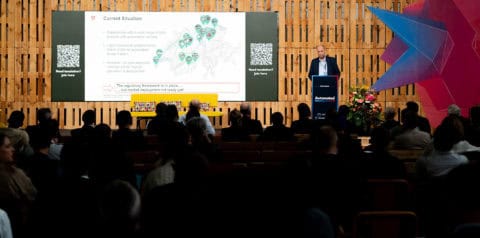
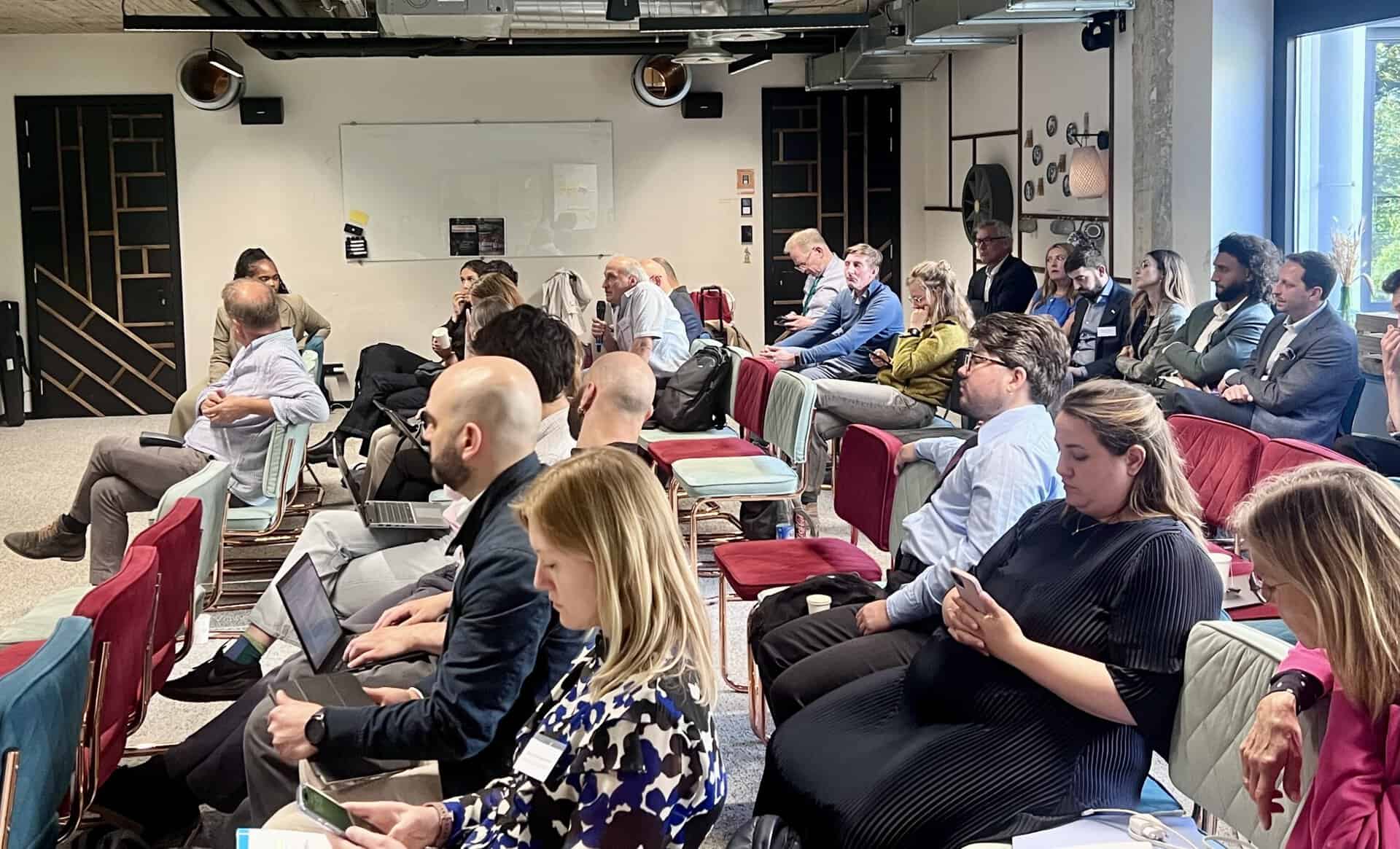
Der Tag verlief in zwei unterschiedlichen Bereichen. Der Vormittag war von einer vertrauten und offenen Atmosphäre geprägt: Rund dreissig Teilnehmer, überwiegend Projektpartner, nahmen an offenen Diskussionen, Workshops und einer abschliessenden Runde des Wissensaustauschs teil. Es herrschte die Herzlichkeit einer Gruppe, die eng zusammengearbeitet, Ideen diskutiert, sich gegenseitig herausgefordert und letztendlich etwas Konkretes geschaffen hat. Der Nachmittag richtete sich an ein breiteres Publikum von etwa fünfzig Personen und brachte durch Podiumsdiskussionen und Vorträge externe Stimmen und Perspektiven ein. Der Ton war zwar formeller, aber nicht weniger spannend und in vielerlei Hinsicht bereichernd aufgrund der Vielfalt der vorgestellten Standpunkte.
Das ist es, was uns in Erinnerung geblieben ist.
Die Automatisierung wird Arbeitsplätze verändern, aber nicht vernichten
Eine der deutlichsten Botschaften des Tages: Bei CCAM geht es nicht in erster Linie um den Abbau von Arbeitsplätzen. Es geht vielmehr um einen Wandel. In einer Zeit, in der Europa mit einem gravierenden und zunehmenden Fahrermangel konfrontiert ist, werden automatisierte Fahrzeuge zunehmend nicht nur als Bedrohung für die Arbeitswelt diskutiert, sondern auch als mögliche Lösung für dieses Problem.
Allerdings ist das Bild uneinheitlich. Im Lagerwesen könnte der Wandel erheblich ausfallen: Bei Szenarien mit hoher Einführungsrate werden bis 2050 bis zu eine Million Arbeitsplatzverluste prognostiziert, wobei sich dieser Trend voraussichtlich über einen Zeitraum von fünfzehn bis zwanzig Jahren abflachen wird. Im Personenverkehr sieht die Lage anders aus: Eine hohe Einführungsrate könnte aufgrund der Nachfrage in der Technologieproduktion und in den Lieferketten sogar zu einem Nettozuwachs von über 80.000 Arbeitsplätzen führen.
Auf europäischer Ebene mögen die Zahlen auf Makroebene überschaubar erscheinen. Doch in bestimmten Verkehrskorridoren, Logistikzentren und lokalen Gemeinden werden die Auswirkungen besonders deutlich zu spüren sein. Diese Diskrepanz zwischen den Gesamtdaten und der lokalen Realität war ein immer wiederkehrendes Thema im Laufe des Tages.
Drei Rollen, die den Wandel prägen werden
Unter den vielen erörterten neuen Funktionen stachen drei als besonders entscheidend für die nahe Zukunft von CCAM hervor:
Spezialisten für ferngesteuerten Betrieb: Sie sind für die Überwachung autonomer Flotten und die Bewältigung von Ausnahmesituationen in Echtzeit zuständig. Diese Aufgabe stellt Anforderungen, die weit über den traditionellen Transportbetrieb hinausgehen. Experten verglichen sie mit der Flugsicherung: hohe Risiken, hohe kognitive Belastung, die sowohl technisches Fachwissen als auch schnelle Entscheidungsfindung unter Druck erfordern.
Beauftragte für Politik und Regulierung: Fachleute, die sich in den uneinheitlichen rechtlichen Rahmenbedingungen verschiedener Rechtsordnungen zurechtfinden, EU-Rahmenbedingungen mit nationalen und regionalen Gegebenheiten in Einklang bringen und letztendlich die Voraussetzungen schaffen müssen, unter denen CCAM-Dienste sicher und in grossem Massstab eingesetzt werden können. Genau diese Rolle sollte das Schulungsseminar von „ SAAM“ gezielt unterstützen.
Kundenorientierte Aufgaben: Es mag vielleicht überraschen, doch die menschliche Präsenz spielt für das Fahrgasterlebnis nach wie vor eine wesentliche Rolle, insbesondere für ältere Fahrgäste, Menschen mit Behinderungen und alle, die im öffentlichen Nahverkehr nach wie vor ein gewisses Mass an menschlicher Authentizität und Unterstützung erwarten. Die Technologie allein kann diese Bedürfnisse noch nicht erfüllen.
Mit Blick auf die Zukunft wiesen Experten auf einen tiefgreifenden Wandel hin: Da KI zunehmend technische Aufgaben und die Fehlerbehebung übernimmt, wird die Belegschaft der Zukunft stärker in Ethik, kritisches Denken und Design Thinking investieren müssen. Der menschliche Beitrag entwickelt sich weiter, anstatt zu verschwinden.
Regulierung: Der Engpass, den niemand ignorieren darf
Die Zersplitterung der Rechtsvorschriften bleibt eines der grössten Hindernisse für die europaweite Verbreitung von CCAM. In den Diskussionen kam ein konkretes Beispiel zur Sprache: Ein in Schweden zugelassenes Fahrzeug wird in Deutschland möglicherweise nicht anerkannt. Für eine Technologie, die naturgemäss grenzüberschreitend ist, ist dies keine geringfügige Unannehmlichkeit, sondern ein strukturelles Hindernis.
Die Forderung nach einer EU-weiten Harmonisierung war nachdrücklich und einheitlich. Um über vereinzelte Pilotprojekte hinaus zu einer echten grossflächigen Einführung zu gelangen, sind gemeinsame Rahmenbedingungen für Tests, Zertifizierung, Haftung und betriebliche Aufsicht erforderlich. Ohne diese läuft Europa Gefahr, ein Kontinent vielversprechender Experimente zu bleiben, anstatt eine Vorreiterrolle bei der Einführung automatisierter Mobilität einzunehmen.
Auf der Planungsebene wurden die Städte dazu ermutigt, die Rolle des Koordinators zu übernehmen und das öffentliche Beschaffungswesen als Hebel einzusetzen, um sicherzustellen, dass CCAM-Dienste tatsächlich gesellschaftlichen Zielen dienen: Nachhaltigkeit, Erschwinglichkeit und Inklusion. Die Technologie ist nicht neutral. Wie sie beschafft und gesteuert wird, entscheidet darüber, wessen Leben sie verbessert.
SAAMDer Beitrag von […] zu dieser Debatte in Form eines modularen Schulungsprogramms zu den Themen Haftung, Infrastruktur und öffentliches Vertrauen, das speziell für Schweizer Entscheidungsträger konzipiert wurde, war ein konkreter Schritt in diese Richtung.
Öffentliches Vertrauen lässt sich nicht künstlich schaffen, es muss verdient werden.
Ein Moment aus den Podiumsdiskussionen am Nachmittag stach besonders hervor. Eine Rednerin von Uber merkte an, dass sie froh sei, ausnahmsweise einmal an einer Veranstaltung teilzunehmen, bei der es um mehr als nur Technologie und Innovation gehe – eine Veranstaltung, die sich wirklich auf die Menschen und die gesellschaftlichen Aspekte der automatisierten Mobilität konzentriere. Da diese Bemerkung von einer Vertreterin eines führenden Unternehmens der Fahrdienst- und Mobilitätsbranche kam, wirkte sie besonders bedeutsam. Sie spiegelte eine allgemeinere Stimmung im Saal wider: das Gefühl, dass die Diskussion rund um CCAM an Reife gewinnt und dass die Branche selbst beginnt, andere, schwierigere Fragen zu stellen.
Die vorgestellten Erkenntnisse zur gesellschaftlichen Akzeptanz zeigten offen eine anhaltende Kluft auf. Untersuchungen belegen, dass jüngere, digital versierte Nutzer im Allgemeinen von autonomer Mobilität begeistert sind und bereit sind, geringfügige Unannehmlichkeiten zugunsten der Vorteile in Kauf zu nehmen. Ältere Nutzer und solche mit besonderen Barrierefreiheitsbedürfnissen sehen das oft anders – weniger aus irrationaler Angst als vielmehr aufgrund berechtigter, unerfüllter Bedürfnisse: körperliche Hilfe beim Einsteigen, Beruhigung, menschliche Präsenz.
Der derzeitige Wandel in diesem Bereich geht weg von einer „Technologieorientierung“ hin zu echter gemeinsamer Gestaltung, bei der Gemeinschaften, marginalisierte Gruppen und Endnutzer von Anfang an in die Gestaltung von Dienstleistungen einbezogen werden. Dies ist nicht nur ein ethisches Gebot, sondern auch ein praktisches: Dienstleistungen, die ohne ihre Nutzer gestaltet werden, sind selten in grossem Massstab erfolgreich.
Auch der kulturelle Kontext spielt eine Rolle. Die Akzeptanz automatisierter Systeme variiert erheblich zwischen den einzelnen Ländern und Gemeinschaften. Ein einheitlicher Ansatz für die Öffentlichkeitsarbeit dürfte daher kaum funktionieren.
CCAM ist eine systemische Herausforderung, keine technologische Herausforderung
Die vielleicht wichtigste Erkenntnis des Tages und des gesamten Projekts lautet: Die Hindernisse für den Einsatz von CCAM sind nicht in erster Linie technischer Natur. Die Fahrzeuge sind funktionsfähig. Die Systeme sind betriebsbereit. Was in vielen Fällen noch nicht bereit ist, ist die sie umgebende institutionelle Infrastruktur.
Regulierungsfähigkeit, Bereitschaft der Mitarbeiter, Datenverwaltung, Vertrauen der Öffentlichkeit, multimodale Integration: Das sind die wahren Herausforderungen. CCAM-ERAS hat mehrere Jahre damit verbracht, diese Bereiche zu erfassen, Instrumente zu entwickeln, Leitlinien zu erstellen und die Fachgemeinschaften aufzubauen, die sich darin zurechtfinden müssen.
Das Projekt läuft offiziell im Juli aus. Doch die damit verbundene Arbeit – der Aufbau der personellen und institutionellen Grundlagen für die Zukunft der Mobilität – gewinnt erst noch an Fahrt.
SAAM ist stolz darauf, Teil von CCAM-ERAS gewesen zu sein. Wir freuen uns darauf, diese Arbeit gemeinsam mit unseren Partnern, den Schweizer Behörden und der gesamten europäischen Mobilitätsgemeinschaft fortzusetzen.
Finanziert von der Europäischen Union mit Unterstützung des Staatssekretariats für Bildung, Forschung und Innovation (SERI). Die geäusserten Ansichten und Meinungen sind ausschliesslich die der Autoren und spiegeln nicht unbedingt die Haltung der Europäischen Union wider.
Folgen Sie uns auf LinkedIn, um über Neuigkeiten von „ SAAM “ auf dem Laufenden zu bleiben!