
For some, it represents a major step forward for innovation and the deployment of advanced driver assistance technologies. For others, it raises important questions regarding road safety, driver responsibility, regulation, and the communication around Level 2+ systems. We are presenting the main arguments.
What has actually been approved in the Netherlands?
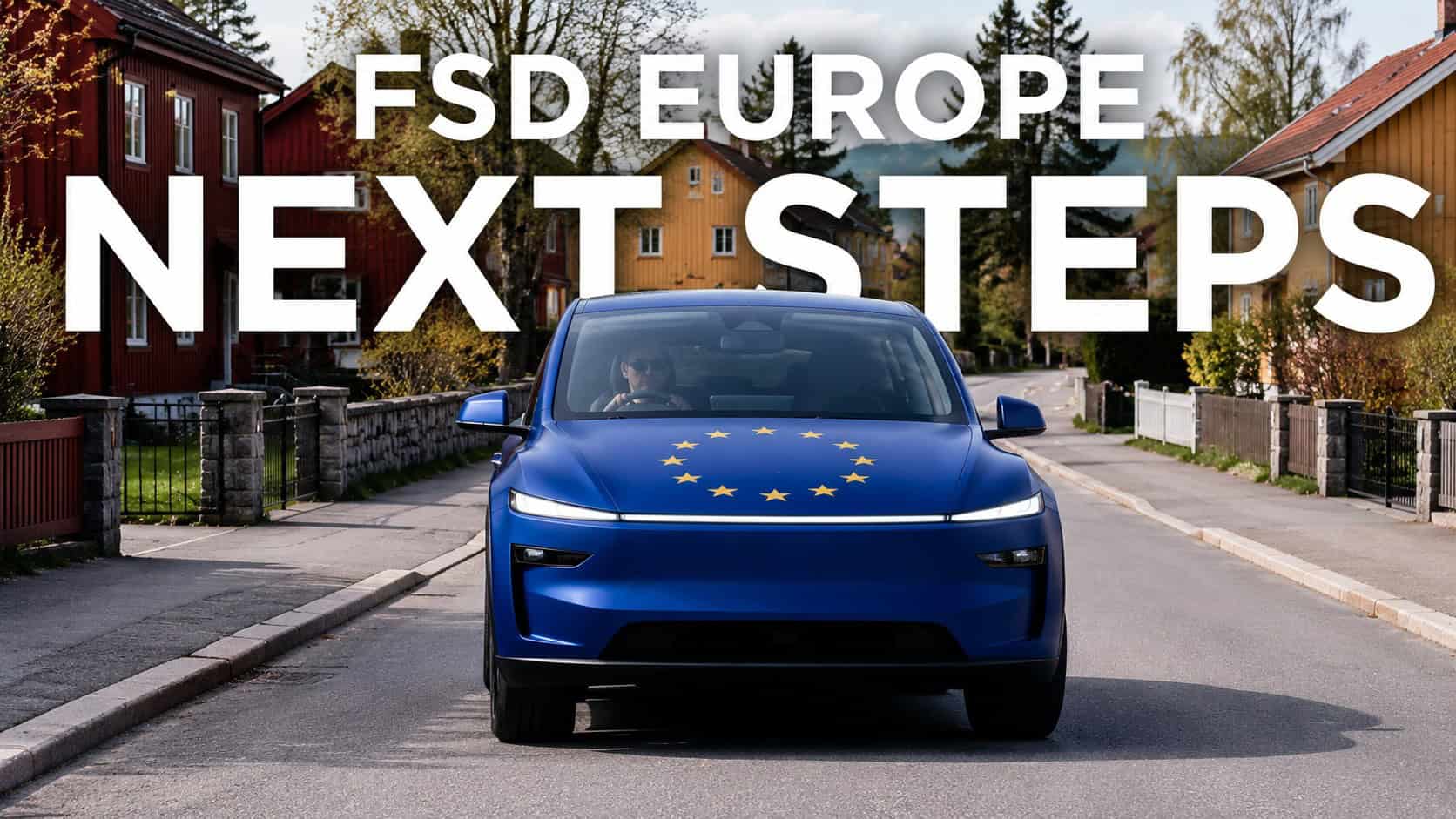
In April 2026, the Dutch approval authority Dienst Wegverkeer (RDW) granted a temporary approval for Tesla’s “FSD Supervised” system under the European regulatory framework for advanced driver assistance systems.
According to the official RDW communication, the system remains classified as a Level 2 driver assistance system, meaning that the driver must remain attentive and fully responsible for the vehicle at all times. The approval does not classify Tesla FSD as autonomous driving in the legal sense of SAE Level 3 or higher.
The discussion is now extending beyond the Netherlands, as European authorities evaluate the broader implications of such systems within the EU framework.
Switzerland’s position: support for automation, but clear responsibility rules
Switzerland has historically been supportive of automated mobility innovation. The country has enabled numerous pilot projects over the last decade and already operates one of Europe’s most modern legal frameworks regarding automated driving and Level 4 deployments.
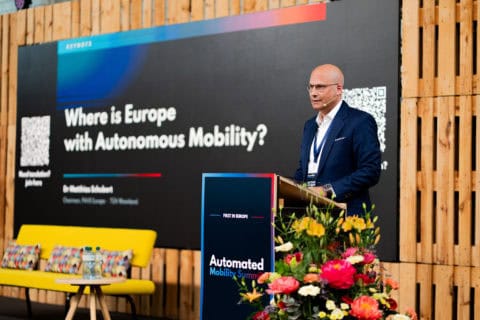
However, the Swiss Federal Roads Office (FEDRO) communicated a very clear position regarding Level 2 and Level 2+ systems. During the recent Automotive Mobility Summit, ASTRA Director Jürg Röthlisberger explained that systems such as Tesla FSD remain legally Level 2 systems, regardless of their capabilities. As such, the driver remains fully responsible at all times.
He said that transparency toward users is essential.
Drivers must clearly understand whether they are using:
- a driver assistance system where responsibility remains with them, or
- a legally approved Level 3 system where part of the responsibility can shift toward the manufacturer.
Röthlisberger also stated that Switzerland sees significant potential in automated driving technologies, particularly for safety, efficiency, and accessibility. However, from a legal and societal perspective, the real breakthrough begins with properly homologated Level 3 systems on highways. With sufficient market penetration, studies show highway L3 systems could unlock up to 15% more capacity on existing Swiss motorways, reduce accidents and improve traffic flow, without any new infrastructure.
Different European approaches are emerging
The Netherlands
The Netherlands currently appears to be among the most proactive countries regarding advanced assisted driving systems. Through the RDW, the country has adopted a relatively innovation-friendly approach while still maintaining the Level 2 legal framework and driver responsibility requirements.
Germany
Germany has traditionally positioned itself strongly around legally approved Level 3 systems, notably through manufacturers such as Mercedes-Benz with Drive Pilot. German authorities generally appear more cautious regarding highly advanced Level 2+ systems.
France
France remains relatively cautious and is closely following the European regulatory discussions before enabling wider deployment of similar systems.
Nordic countries
Several Nordic regulators have reportedly raised concerns regarding winter operating conditions, road marking reliability, driver overreliance, and safety validation in more complex environments.
A broader debate about the future of automated mobility
The current discussion around Tesla FSD goes far beyond one manufacturer or one technology. It reflects a broader question facing the mobility industry:
How can Europe encourage innovation while maintaining public trust, legal transparency, and high safety standards?
Some stakeholders believe advanced Level 2+ systems are an important transitional step that allows society and infrastructure to progressively adapt to automation.
Others argue that systems where drivers remain legally responsible despite increasingly autonomous behavior may create confusion and unrealistic expectations.
At SAAM, we believe these discussions should remain open, fact-based, and collaborative. Automated mobility will only succeed through dialogue between regulators, technology companies, researchers, infrastructure operators, insurers, and users.
The future of autonomous mobility will not be built by one company, one country, or one opinion alone. It will be built collectively.
Follow us on LinkedIn to stay up-to-date with SAAM news!