
A milestone for automated mobility in Switzerland
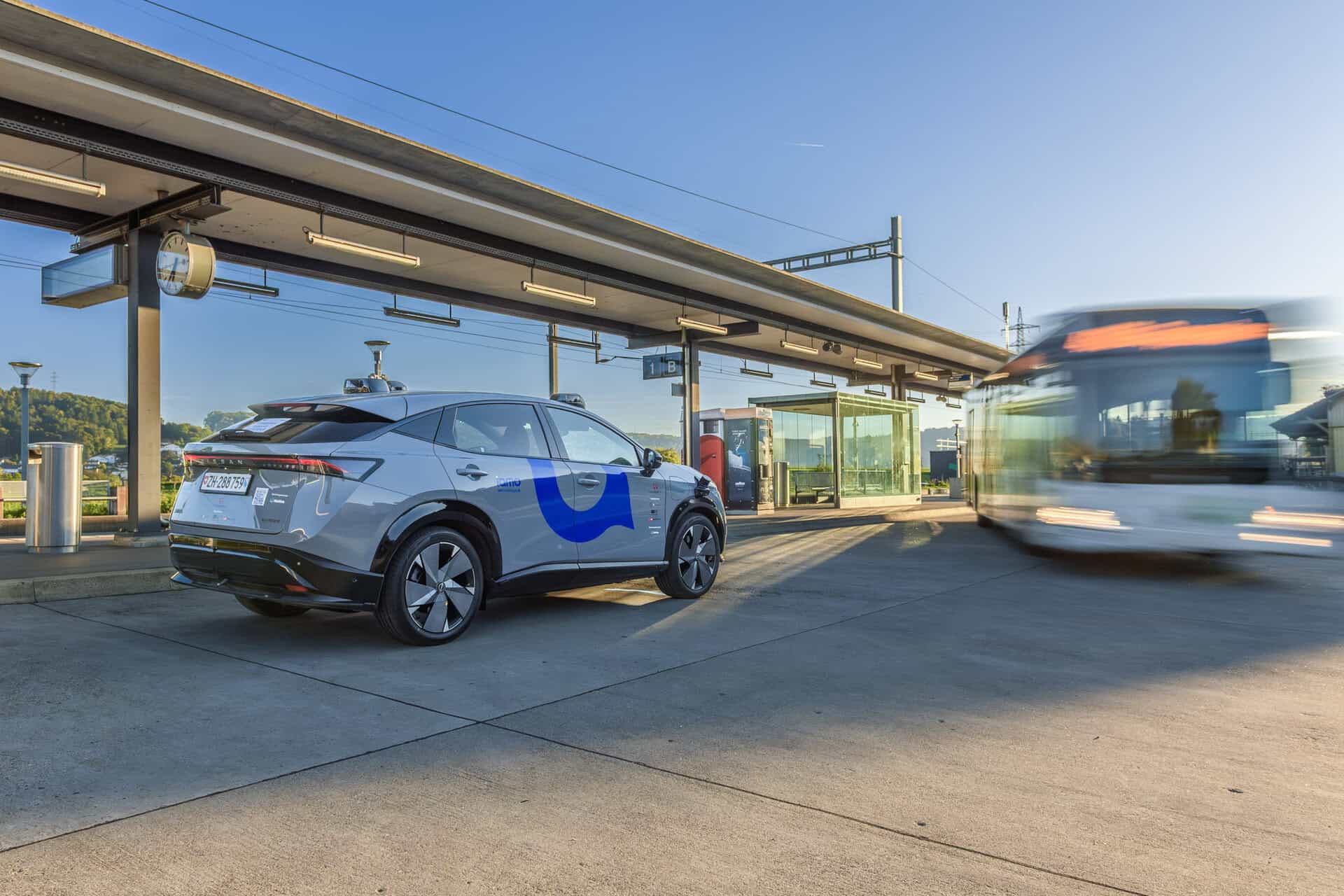
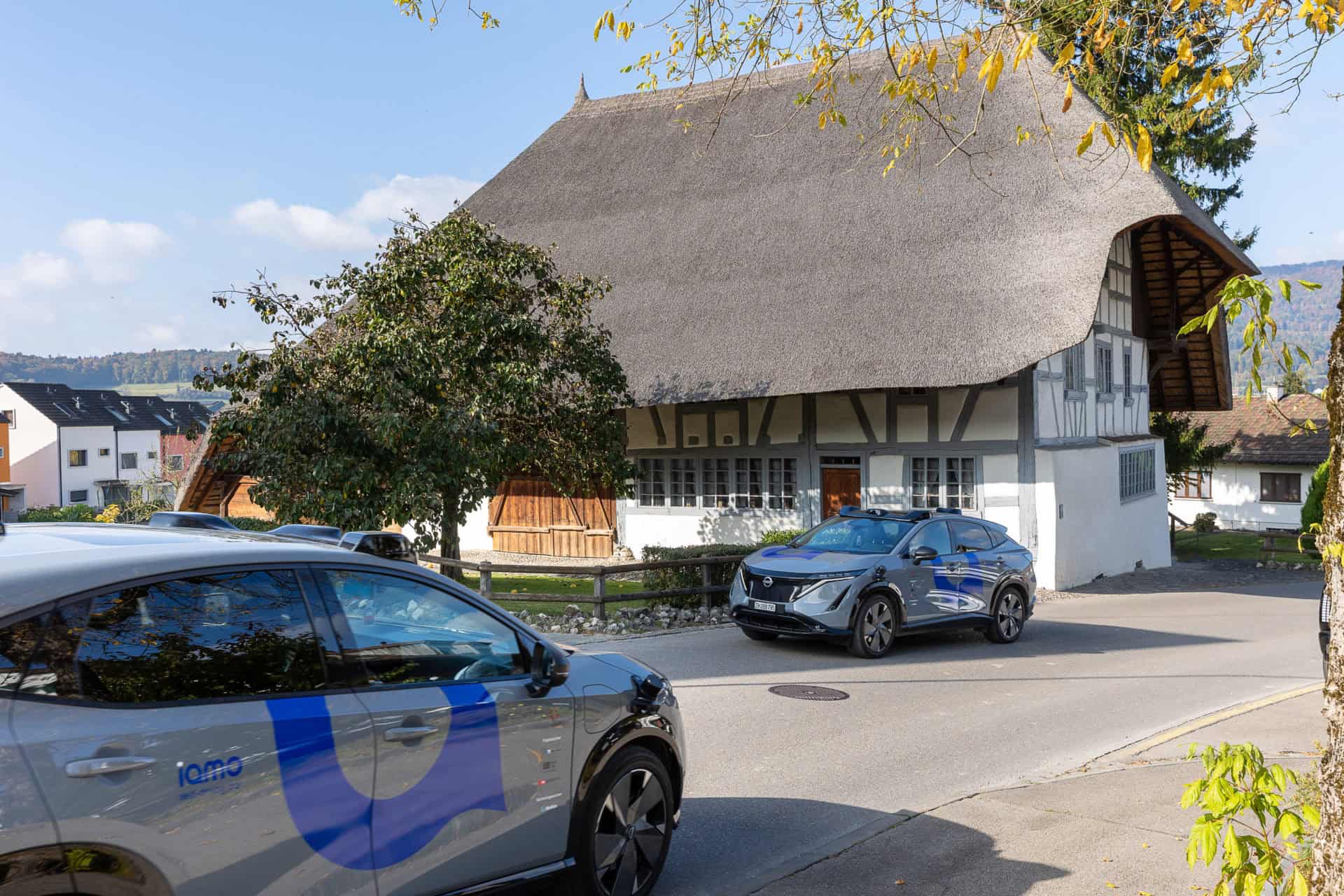
In the Furttal valley near Zürich, something new is taking shape. After years of preparation, the pilot project iamo – intelligente automatisierte Mobilität has received official approval to operate its vehicles in self-driving mode on public roads. For the Swiss mobility ecosystem, this is more than a technical step. It marks the entry into a new phase where automated mobility begins to operate in real conditions, embedded in the daily mobility landscape of an entire region.
For SAAM, this milestone demonstrates how cooperation between public institutions, research, industry and civil society allows Switzerland to progress in a coordinated and responsible way. It is exactly the kind of collaborative dynamic that strengthens our ecosystem and accelerates innovation.innovation.
From mapping to real-world testing: a solid foundation
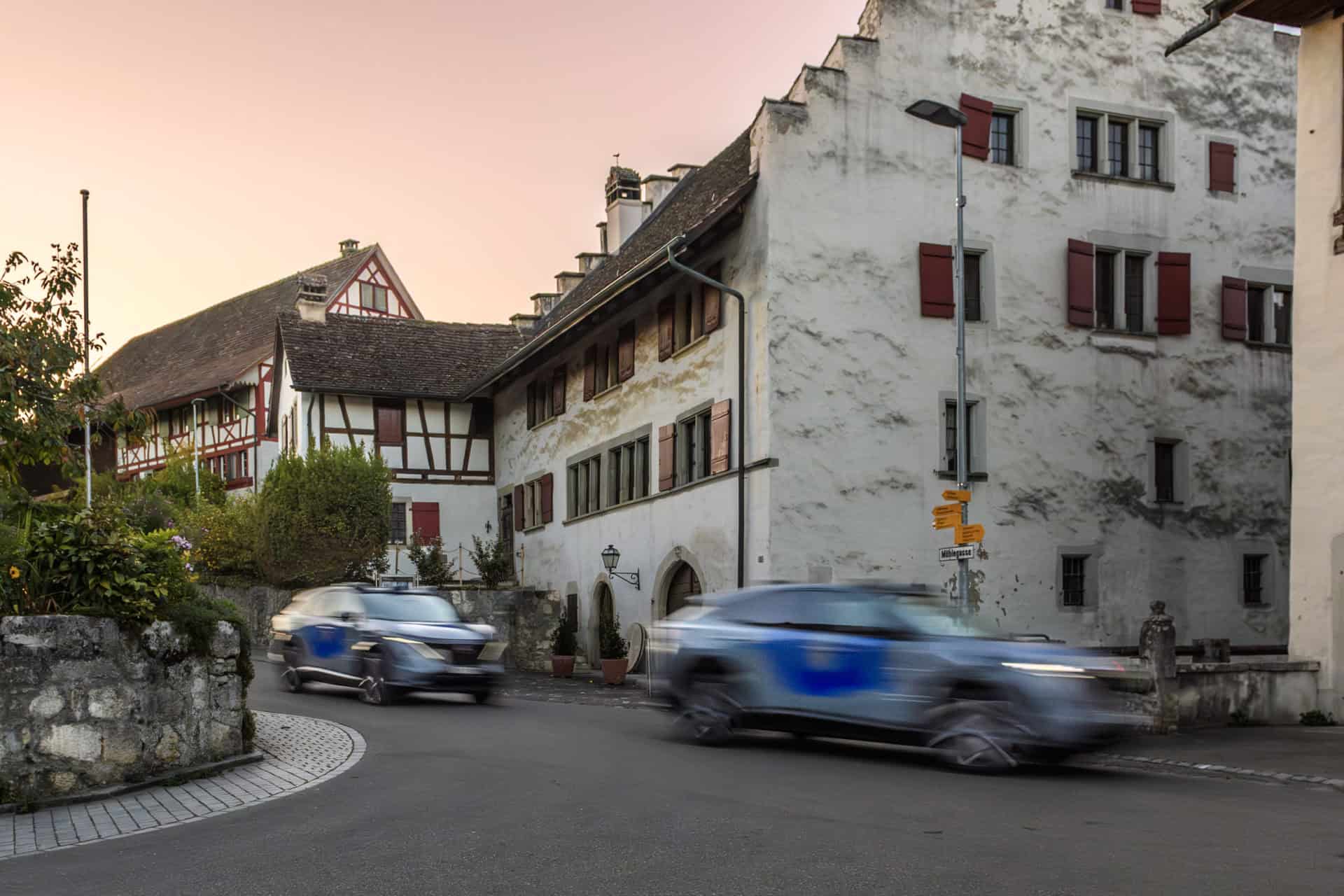
Over the past months, project teams have driven the roads of the Furttal many times to build a detailed digital map. Unlike conventional navigation systems, this map includes precise attributes such as lane widths, curb heights, lane markings and traffic lights. Combined with sensor data from LiDAR, cameras and GPS, it forms the basis for safe automated driving.
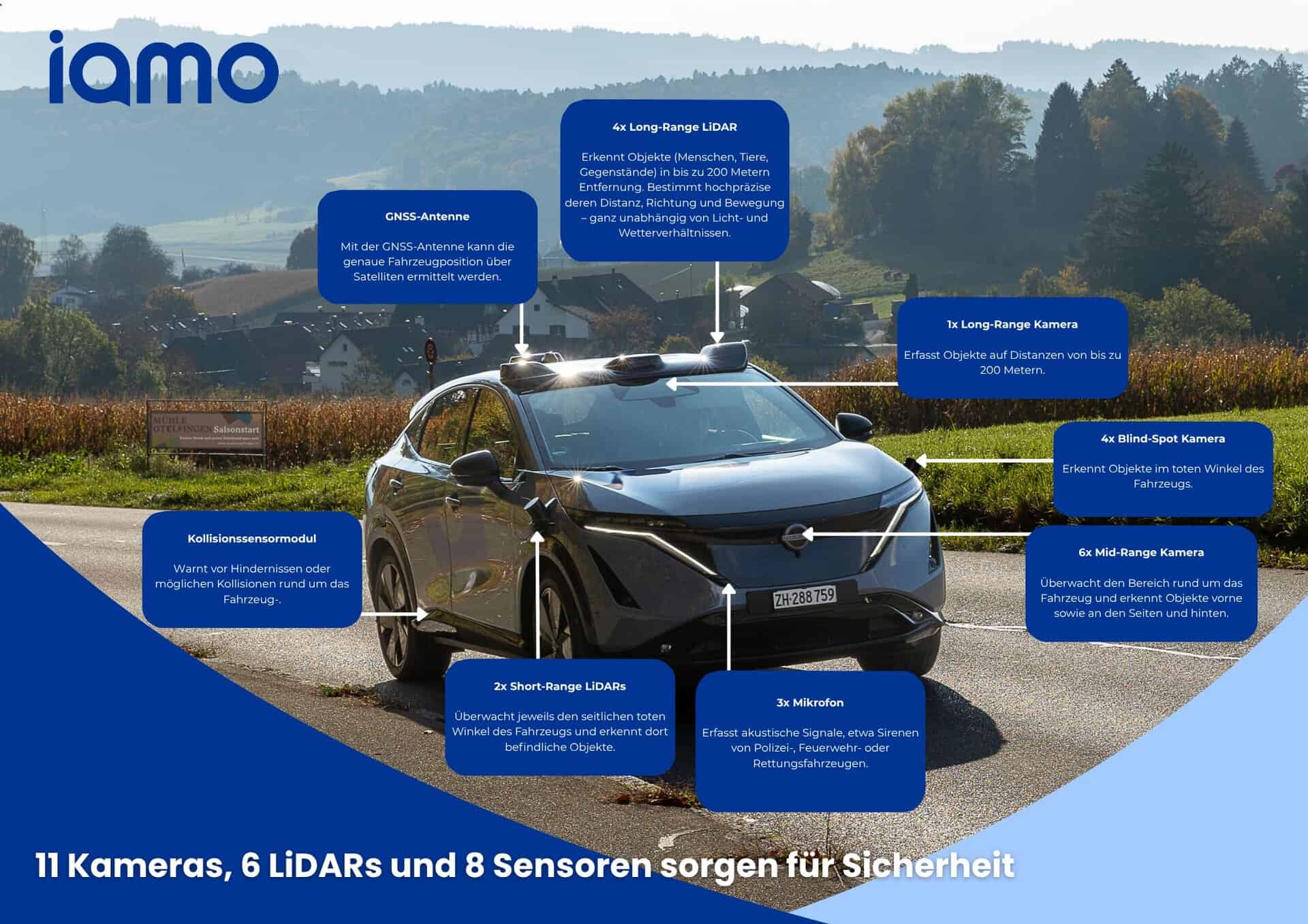
Before moving to public roads, the vehicles were tested on private grounds, where they mastered complex interactions: cyclists, pedestrians, unpredictable obstacles. These steps have ensured that automated operation can now begin on selected public roads, with safety drivers initially behind the wheel.
The technology used comes from WeRide, a company with operations in more than 30 cities worldwide and millions of kilometres of automated driving experience. This international know-how will now be adapted to Swiss conditions throughout the training phase.
Why automated mobility matters for Switzerland
The cantons involved (Zurich and Aargau) see the project as a response to concrete mobility challenges.
Population growth, increasing traffic volumes, and gaps in public transport in low-density areas call for new options. As Regierungsrat Stephan Attiger explained, “A one-hour bus service in rural areas is not attractive enough.” For him, automated mobility can help fill essential gaps and support public transport, not replace it.
This reflects a broader trend: the boundary between individual mobility and public transport is becoming more fluid. As SBB representatives noted, automated vehicles can increase frequency and flexibility on short distances, enabling more people to reach rail services efficiently.
For SAAM, this aligns perfectly with our mission: ensuring that automated mobility strengthens Switzerland’s overall mobility system by creating better access, more flexibility, and new ways to move people efficiently.
What happens next: training, testing and public service in 2026
The path forward is structured in three major phases:
The service is designed as a real component of local public transport, integrated into existing mobility flows of the Furttal region.
Training phase on public roads
Vehicles begin driving in automated mode at speeds up to 80 km/h, supervised by safety drivers. Training runs take place at different times of day and with varying traffic volumes, supported by a local driving school.
Test phase without a safety driver
Once sufficient data, experience and stability are achieved, remote operations will begin. Trained personnel will monitor the vehicles from a central operations center. This phase will validate long-term operational safety.
Public service in 2026
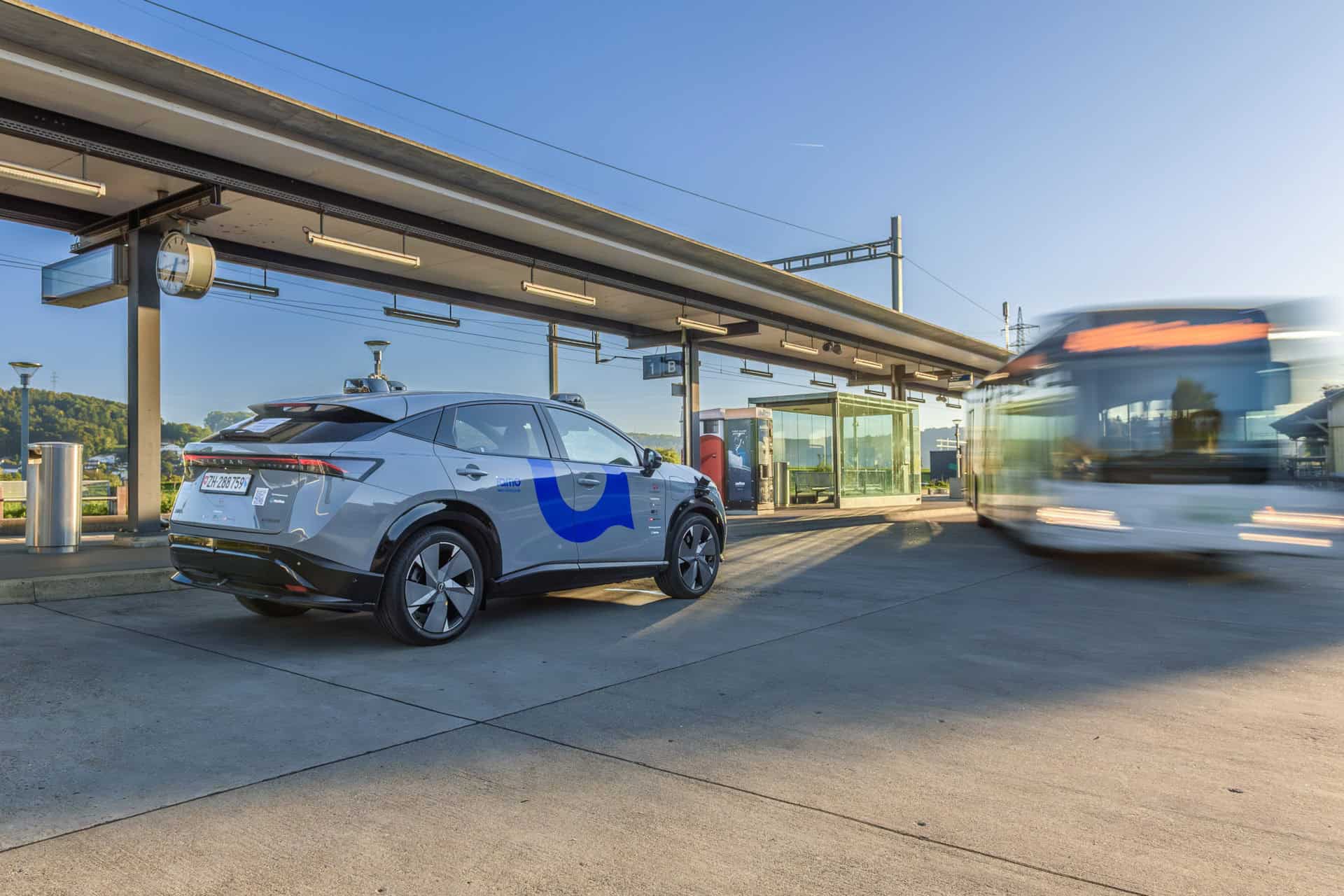
From the first half of 2026, residents will be able to book rides through an app, selecting one of 460 designated stops. Three electric Nissan Ariya vehicles will be available in the first rollout, with minibuses planned later.
A unique collaboration across Switzerland
The iamo pilot is built on the collaboration between the Swiss Transit Lab, the cantons of Zurich and Aargau, SBB, industrial partners, technology players like WeRide, cloud infrastructure specialists such as UMB, and many local stakeholders. Each brings essential expertise to ensure safety, quality, reliability and long-term viability.
For SAAM, this project illustrates the strength of the Swiss model:
– public institutions create the framework,
– industry brings technology,
– research and non-profit organisations coordinate knowledge,
– and the ecosystem collectively ensures that innovation remains aligned with public needs.
Switzerland moves forward when these forces work together.
Why this moment matters for the future of automated mobility
With the first automated vehicles now operating on public roads in a structured pilot region, Switzerland is entering a new chapter. The insights gained over the coming months (technical, operational, social and behavioural) will influence future services across the country.
At SAAM, we believe that automated mobility can become a real asset for Switzerland if it is developed in a coordinated, transparent and inclusive way. The iamo pilot is a significant step in this direction.
We congratulate all partners involved and look forward to supporting the next stages.
Automated mobility is no longer a distant future. It is taking shape today, on real roads, for real communities, and Switzerland is building it together.
Follow us on LinkedIn to stay
up-to-date with SAAM news!