
St-Gallen, Appenzell, ThurgauOn going
“AmiGo” – Autonomous ride-pooling in Eastern Switzerland
Autonomous electric on-demand mobility by PostBus, launching in Eastern Switzerland in 2027
Initiated-by Post AutoSwiss Association for Autonomous Mobility

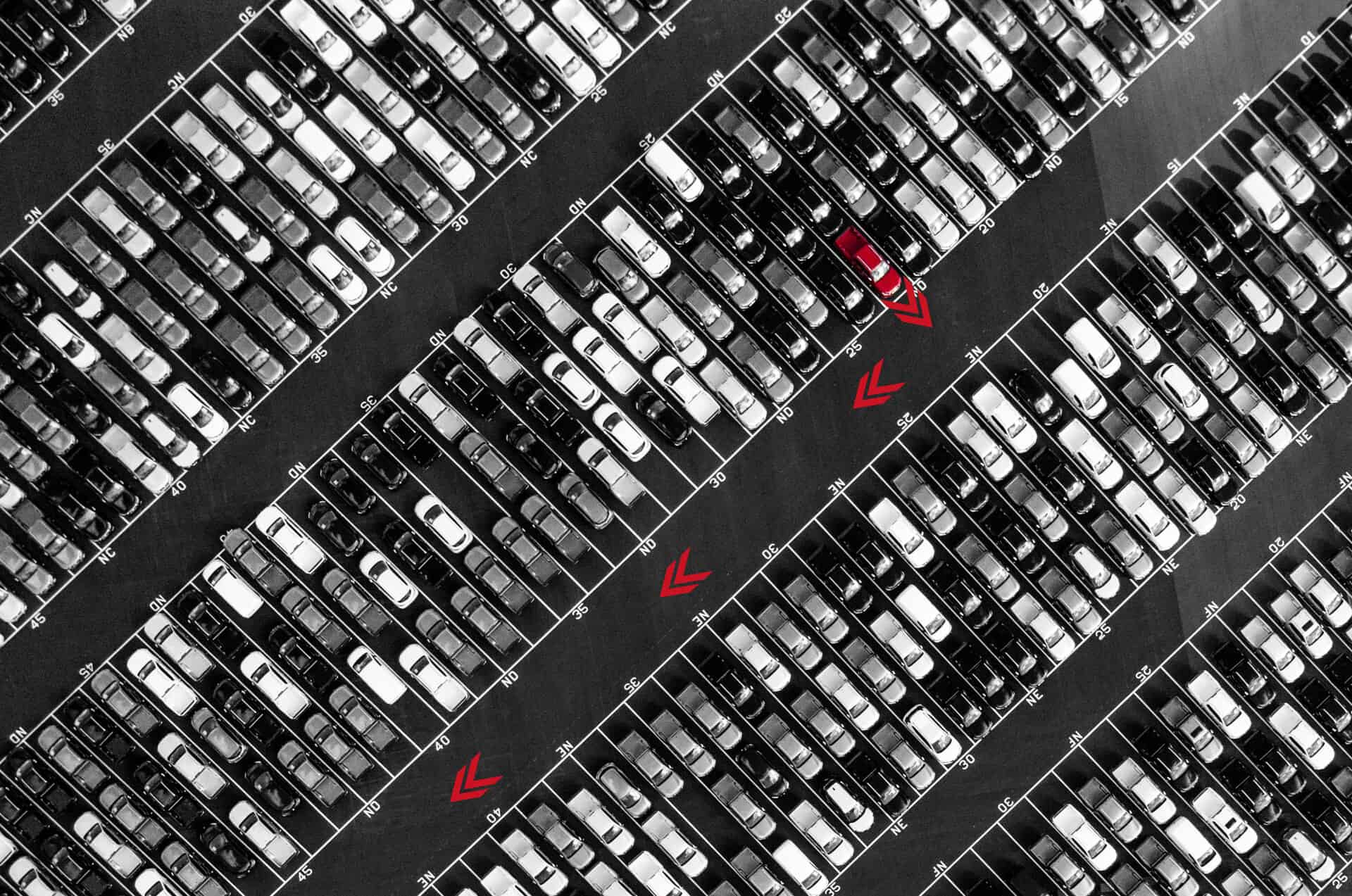
Automated Vehicle Marshalling introduces a new level of Industrial Autonomy by automating how vehicles move through Factory Logistics sites after production. The system combines infrastructure-based perception, continuous motion planning, and high-availability fleet coordination to replace manual driving with a predictable, autonomous flow. Through this approach, manufacturers gain higher throughput, improved safety, and a scalable foundation for next-generation autonomous operations.

Embotech AG is advancing autonomous mobility in industrial environments through its Automated Vehicle Marshalling project, a system designed to automate the movement of newly produced vehicles within manufacturing plants, logistics yards, and testing grounds. Once a vehicle leaves the assembly line, it must pass through a series of steps that include functional testing, quality evaluation, temporary parking, and preparation for shipment. Traditionally, these movements require large teams of drivers who must coordinate with production schedules, testing lanes, and storage flows. Embotech’s AVM solution replaces these manual movements with a continuous, autonomous process that is both predictable and highly efficient.
The system is already deployed in four BMW factories, with three located in Germany and one in Oxford, in the United Kingdom. Two additional locations are scheduled, one in Hungary and another in Spartanburg, in the United States. Across its industrial deployments, Embotech has accumulated more than 375,000 autonomously driven vehicles and more than 22,000 driverless operating hours. Availability across all operational sites consistently exceeds 99 percent. Embotech also holds the first Level 4 certification under the new European Machinery Regulation, making it a reference point for industrial autonomy. The company’s order book includes more than 28 million kilometres of planned autonomous missions.
These achievements demonstrate that fully autonomous vehicle handling at factory scale is not a distant ambition but an active, proven system in daily use. The numbers reflect an ecosystem that has been tested across multiple sites, vehicle models and production contexts.
The AVM system is built around the idea that autonomy in industrial environments is most efficient when the intelligence is placed in the infrastructure rather than in each vehicle. The factory is equipped with LiDAR sensors, compute units and communication nodes linked through LTE or WiFi. These elements work together to perceive the environment, track vehicle positions and calculate safe and efficient paths.
Each vehicle is equipped with a minimal set of components, such as drive-by-wire interface and a communication unit. All perception, planning and decision-making takes place outside the vehicle. This approach significantly reduces onboard complexity and cost, and it allows new vehicle models to be integrated quickly into the system.
The planning engine recalculates motion in very short cycles. As a vehicle moves, its trajectory is adjusted continuously based on new information from sensors and other vehicles. This allows the system to react instantly to pedestrians, manually driven cars, forklifts or unexpected obstacles. The vehicle can navigate through narrow factory corridors with centimetre level precision and operate at speeds of up to thirty kilometres per hour on suitable internal roads. The combination of fast reactivity, high precision and controlled deceleration creates an environment where vehicles move safely even in the presence of people and other machinery.
Ensuring reliability at industrial scale requires more than on-site testing. Embotech relies heavily on digital twins, synthetic sensor data and nightly simulation campaigns to evaluate and refine the system. Each factory is mapped into a digital model that reflects its geometry, traffic rules and workflows. The autonomy software interacts with this virtual environment in thousands of automated tests every night. These tests examine how the system behaves under a wide range of conditions, from ordinary traffic flow to highly unusual situations that may rarely occur but must still be handled safely.
Synthetic weather data plays an important role. Fog, rain, snow and strong reflections can influence sensor performance. By generating large quantities of artificial weather conditions, the system can be trained and validated for scenarios that are difficult to reproduce manually at a factory site. Operational data collected throughout the day provides further insight into sensor performance, route usage, timing bottlenecks and operator interventions. This data helps maintain high availability and contributes to predictive maintenance for both infrastructure sensors and vehicles.
A dedicated Fleet Management platform supervises all autonomous movements in real time. It assigns missions, monitors the progress of each vehicle, identifies delays and provides operators with tools to resolve irregular situations when needed. Operators view the factory through the digital twin interface, allowing them to see where vehicles are positioned, which routes are occupied and whether any unexpected conditions require attention.
The platform interfaces with existing factory systems such as end-of-line quality checks, test benches, parking allocation systems and logistics planning tools. This integration ensures that the AVM system fits naturally into the manufacturer’s operational flow. For example, if a quality check station becomes temporarily unavailable, the Fleet Management system can reroute vehicles to alternative stations or adjust their sequence to avoid congestion.
Diagnostic tools monitor infrastructure health. If a sensor becomes misaligned or obstructed, the system detects the issue and notifies on-site teams. This rapid response capability prevents small issues from disrupting operations.
Safety is integrated into every part of the system. The autonomy stack includes a performance component that manages driving and planning and a safety component that supervises behaviour. The safety layer ensures that the vehicle can detect potentially dangerous situations and react predictably based on certified logic. The architecture complies with the European Machinery Regulation, which sets requirements for AI-based machinery, cybersecurity and digital documentation.
Through its combination of advanced planning software, high availability, certified safety and infrastructure-based autonomy, Embotech is establishing a new standard for post-production vehicle logistics. Automated Vehicle Marshalling reduces human workload, eliminates variability, increases throughput and delivers consistent operational efficiency. It represents a significant milestone in the digital transformation of automotive manufacturing and demonstrates the potential of autonomous technology in industrial environments.
Autonomous electric on-demand mobility by PostBus, launching in Eastern Switzerland in 2027
Initiated-by Post Auto
European project developing a framework to connect and orchestrate all modes of mobility.
Initiated-by Horizon Europe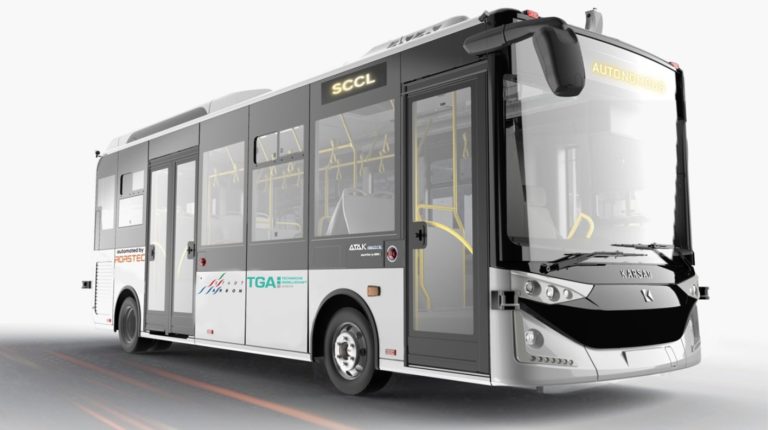
Autonomous shuttle project in Arbon connecting the old town with key sites—smart, sustainable, and future-ready.
Initiated-by TGA Arbon
CCAM-ERAS drives the socio-economic transition to connected, cooperative, automated mobility.
Initiated-by European Union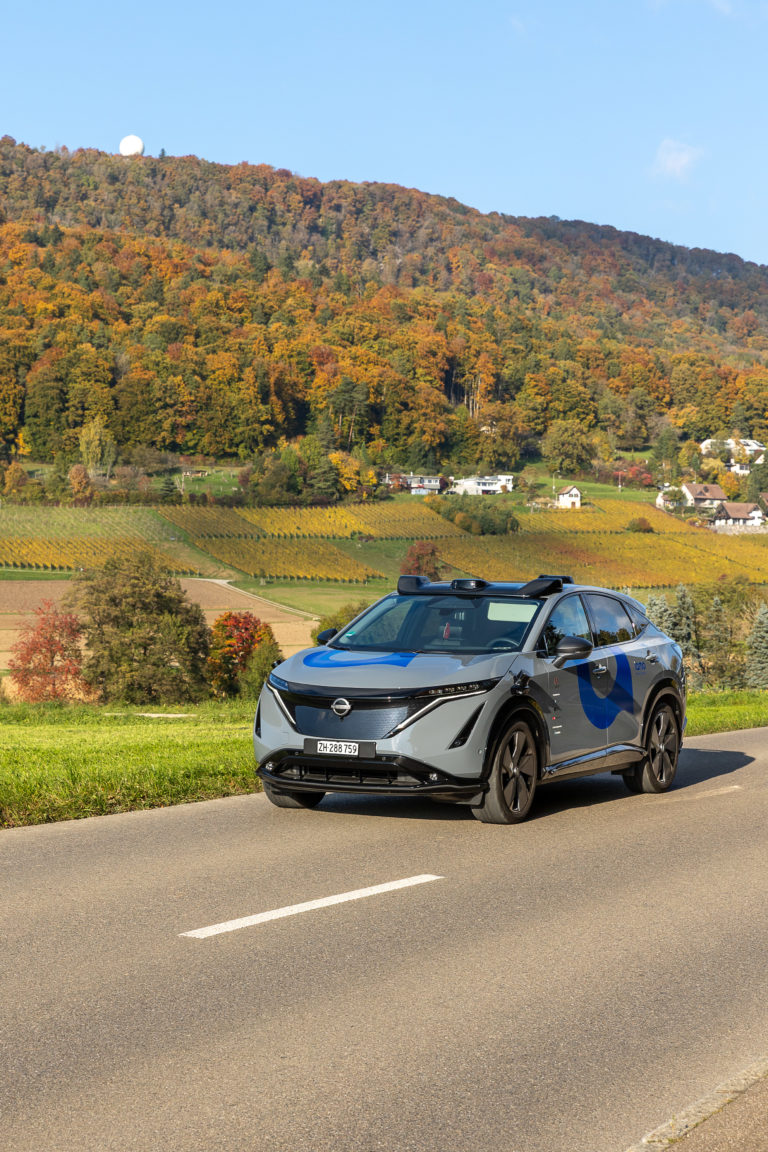
Swiss Furttal Pilot Project tests automated vehicles to enhance public transit with on-demand local transport options
Initiated-by Canton of Zurich