St-Gallen, Appenzell, ThurgauOn going
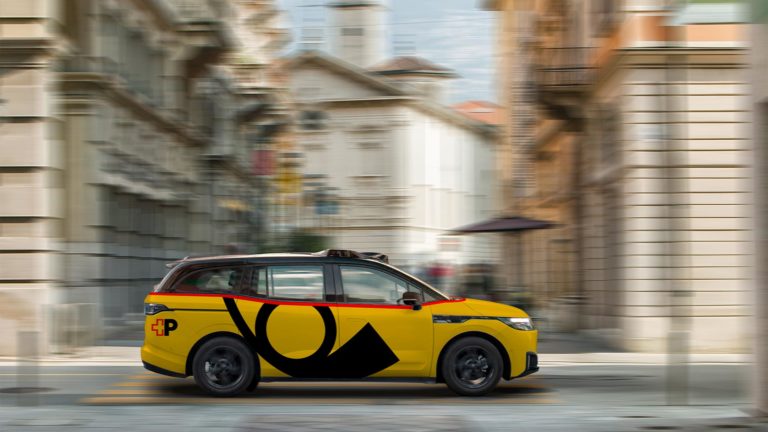
“AmiGo” – Autonomous ride-pooling in Eastern Switzerland
Autonomous electric on-demand mobility by PostBus, launching in Eastern Switzerland in 2027
Initiated-by Post AutoSwiss Association for Autonomous Mobility

The project SCCL is a forward-looking mobility initiative launched by the Technical Association of Arbon (TGA) on the occasion of its 100th anniversary. It explores the use of an autonomous electric full-size bus to connect Arbon’s historic old town and lake promenade with the mobility hub at the train station by a new public bus line with mixed traffic.






The project SCCL – Self Controlled City Bus – in Arbon is initiated and led by the TGA – the Technical Association Arbon. The autonomous full-size bus circulates on a new licensed bus line – the Altstadt Linie – in Arbon’s historic old town. The electric powered bus is part of the public transport and is handicapped accessible. The name ARTOUR for the bus was chosen by a jury after a public call.
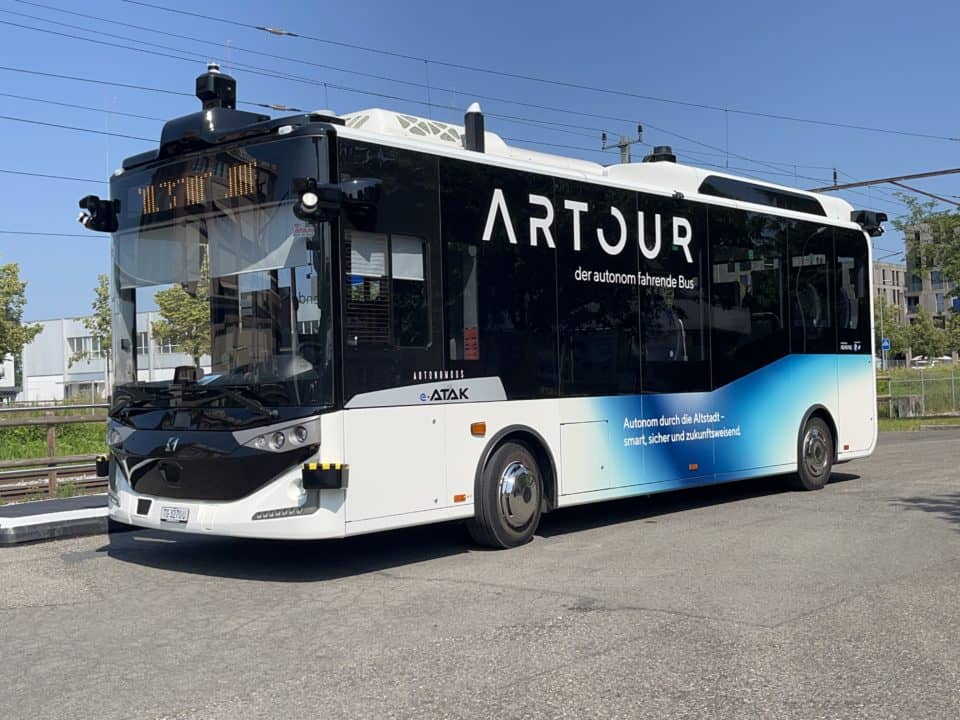
ARTOUR is automated by ADASTECs flowride.ai, a level 4 ADS. integrated in the serial bus e-Atak of KARSAN. The bus is equipped with Lidars, Cameras and Radars. In the bus depot is the control center located, from where the bus is supervised and remotely manoeuvred, if required by the ADS. The area, where the bus circulates, is mapped with a main route of 2.5 km with 9 stops. For events, blocked roads, etc. 6 alternative routes are mapped and ready for immediate change. All regular stops are equipped with handicapped accessible platforms. An electric ramp can be used at any place. As required from FEDRO, a safety driver has to accompany the bus (details see project phases). The bus circulates in a ½ h-tact 7 days/week, 365 days/year with a timetable from 08 to 18 o’clock. The operation covers all seasons with all weather conditions, including winter with snow.
The formal approval from the federal offices FEDRO and FOT is dated July 29, 2025. The project has the following phases:
Phase 1: Test phase after mapping (Aug.-Sept. 2025, without passenger)
Phase 2: Operation with passengers and winter-timetable (15. Oct. – 31. Dez. 2025)
Phase 3: Operation with passengers, change to summer timetable; partial testing teleoperation (Q1-Q4 2026)
Phase 4: Operation with passengers supervised by teleoperation from the control center and taking the safety driver step for step away from the steering wheel.
The Pilotproject SCCL is led by TGA in close partnership with the City of Arbon and Eurobus Ostschweiz AG as operator. In the steering board are additionally Arbon Energie AG, Postauto AG and LARAG. The project is financially supported by the Kanton Thurgau, the Federal Office of Traffic (FOT), the City of Arbon and main sponsors as Geobrugg, Swisscom IoT, p2data. The staff of TGA works complimentary.
ARTOUR is the first full-size bus to be supervised and teledriven – if required by the ADS – without a safety driver in the western world. Questions, how to handle a driverless public bus with regard to handicapped persons or how to detect emergency situations in the passenger area of the bus, using AI, etc. are first time addressed. That’s why a high interest from all kind of national and international public transport providers exists and leads to specific cooperation and exchange of experience.
Autonomous electric on-demand mobility by PostBus, launching in Eastern Switzerland in 2027
Initiated-by Post Auto
European project developing a framework to connect and orchestrate all modes of mobility.
Initiated-by Horizon Europe
CCAM-ERAS drives the socio-economic transition to connected, cooperative, automated mobility.
Initiated-by European Union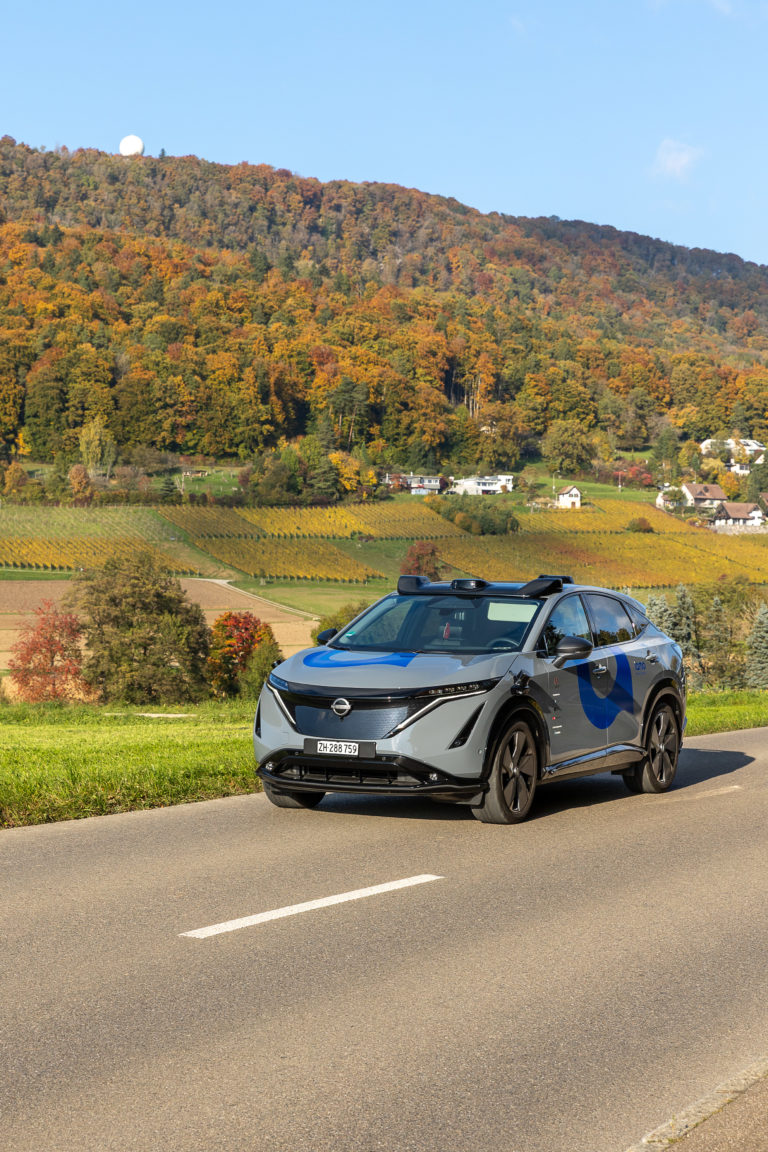
Swiss Furttal Pilot Project tests automated vehicles to enhance public transit with on-demand local transport options
Initiated-by Canton of Zurich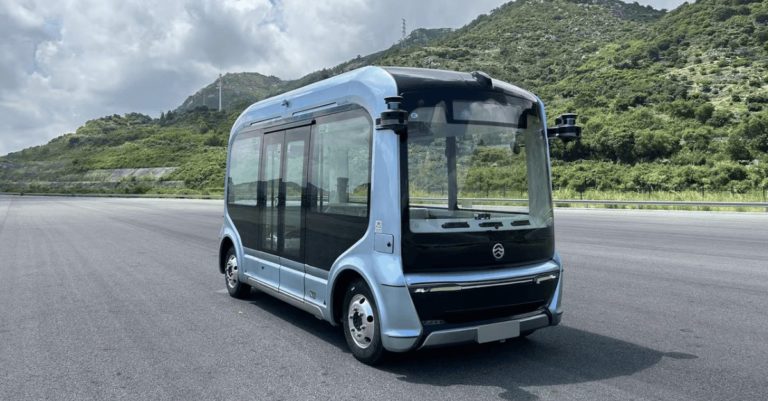
Zurich Airport tests a self-driving shuttle bus for employees, paving the way for autonomous mobility in aviation.
Initiated-by Flughafen Zürich AG